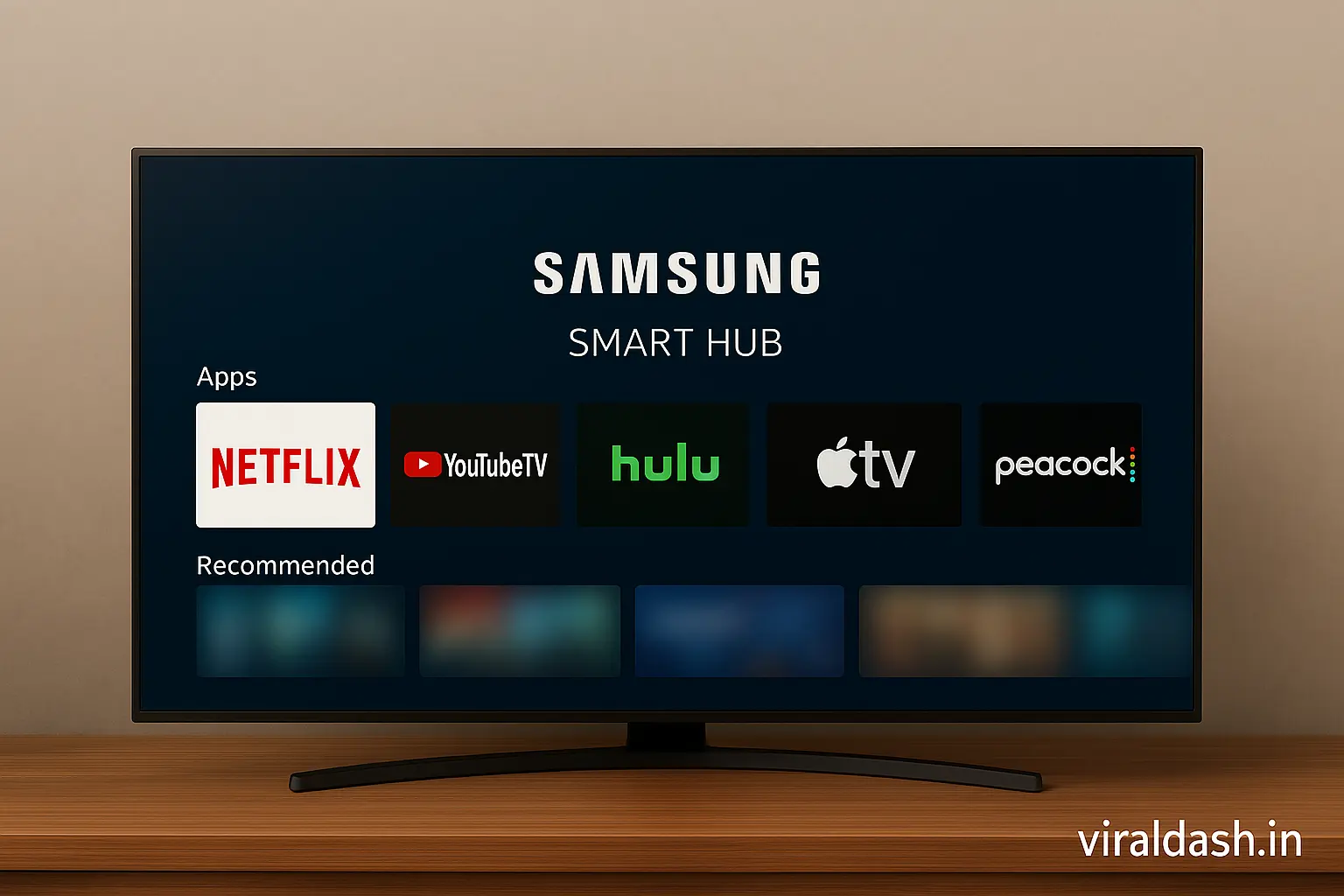
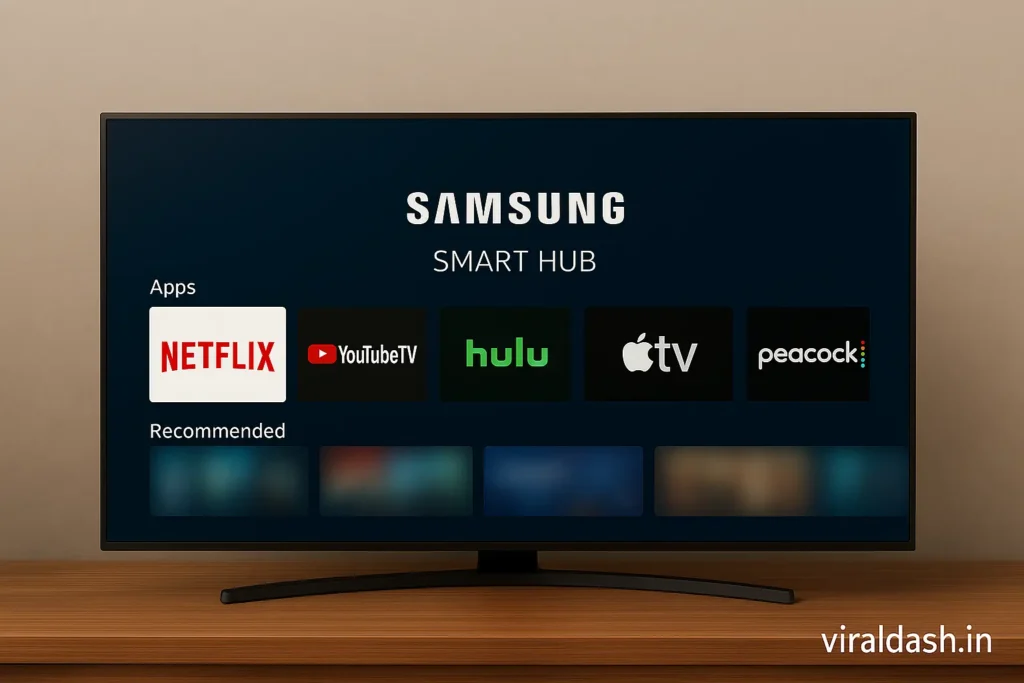
In a digital age where entertainment is easily accessible, millions of Samsung Smart TV owners were left looking at blank screens and error messages after a large global outage disrupted access to popular streaming applications such as Netflix, YouTube TV, Hulu, and Peacock. The incident, which occurred in the early hours of Friday, has resulted in widespread frustration, bewilderment, and a renewed discussion over the dependability of smart technology.
🌐 The Outage That Froze Screens Worldwide
The disruption was traced back to Samsung’s Smart Hub servers, which power app connectivity and account services across its smart TV ecosystem. According to outage-tracking platform DownDetector, the problem started about 3:00 AM IST, with over 2,000 reports coming in from users in the United States, India, Europe, and Argentina.
Affected TVs failed to open apps, constantly redirected users to the Terms and Conditions screen, or displayed cryptic error messages such as “Server Certificate Error.”
For many, the experience was akin to watching their expensive smart TVs turn into lifeless slabs of glass.
“The Samsung server is down. I thought the five-year-old TV was broken, so I took it down and bought a new one, but the problem persisted.
🔥 Social Media Explodes
As the outage continued, social media channels erupted with complaints, memes, and urgent appeals for assistance. Users were outraged by Samsung’s lack of communication, with many expecting an official statement or, at the very least, a status update.
“@SamsungTV Hello Samsung, would you please release a statement informing consumers of the current global outage? I would be grateful for anything. On X, Sean McCollom
Despite the gravity of the situation, Samsung has yet to issue a formal public statement, preferring to respond to individual complaints via private messages on social media. This strategy has only spurred additional criticism, with customers blaming the tech behemoth of bad customer service and a lack of transparency.
🧠 What You Should (and Shouldn’t) Do
Tech experts and users alike have issued a clear warning: do not reset your TV. Factory resets, Wi-Fi reconfigurations, and app reinstalls have proven ineffective, as the problem lies with Samsung’s servers—not individual devices.
- Avoid factory resets—they won’t fix the issue and may erase your settings
- Don’t blame your internet connection—the outage is server-side
- Wait for Samsung’s fix—standard troubleshooting won’t help
📊 The Numbers Behind the Outage
According to DownDetector:
- 78% of users reported app-related issues
- 13% were unable to log in
- 8% faced website-related problems
Interestingly, several customers reported that Netflix remained operational, implying a partial server failure or that Netflix is using a different protocol or cached data.
💬 Voices from the Living Room
The outage has real-world repercussions. Some people, assuming their TVs were broken, purchased new Samsung TVs, only to learn that the problem persisted. Others canceled movie evenings, missed live sporting events, or were unable to provide educational information to their youngsters.
“Can’t even watch TV tonight because the damn Samsung server is down.” — User on Reddit
“Smart TVs are convenient, but when they go dumb, they’re just expensive wall art.” — Comment on X
🧩 The Bigger Picture: Are Smart TVs Too Smart?
This incident has sparked a bigger debate: how much intelligence is too much? As TVs rely more on cloud services and centralized servers, customers are more subject to interruptions outside their control.
Smart TVs offer convenience, customisation, and easy access to entertainment.
However, server-side failures can render even the most powerful gadgets worthless. A clear reminder that digital ease entails digital dependency is provided by the outage.
🛠️ What Samsung Should Do Next
Industry experts suggest that Samsung needs to:
- Create a public-facing outage dashboard to keep users informed
- Issue timely updates via official channels
- Offer compensation or extended warranties for affected users
- Improve server redundancy to avoid further outages.
Until then, people are in limbo, hoping that their screens will light up again soon.